In an era where sustainability and environmentally responsible practices are increasingly critical within the healthcare sector, transdermal patches have emerged as a significant solution. Pepin Manufacturing, a leading transdermal patch manufacturer, emphasizes the substantial contributions of these innovative products to eco-friendly healthcare, benefitting both patients and the environment.
Understanding Transdermal Patches
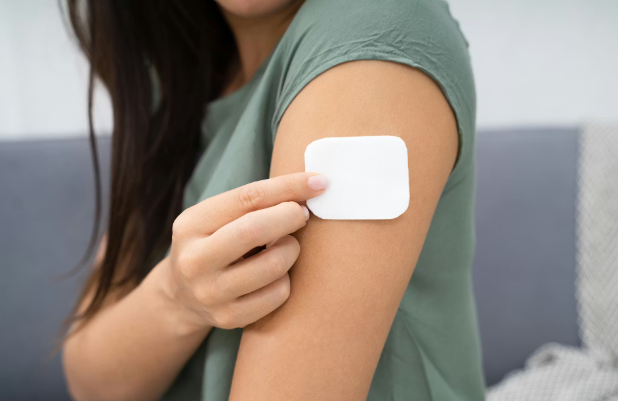
Transdermal patches are sophisticated medical devices designed to deliver medication directly through the skin into the bloodstream. As a non-invasive alternative to traditional oral medications and injections, these patches not only enhance treatment efficiency but also significantly reduce the generation of pharmaceutical waste—a goal that aligns closely with the sustainability objectives of the healthcare industry.
Minimizing Waste Through Precision Delivery
A primary advantage of transdermal patches is their ability to release medication in precise dosages. Unlike oral or injectable pharmaceuticals, which may result in overuse and subsequently create waste, transdermal patches effectively tackle these challenges. At Pepin Manufacturing, the focus on efficiency throughout the production process enables these patches to provide accurate medication dosages at designated intervals. This approach not only minimizes waste but also empowers healthcare providers to achieve optimal treatment outcomes. Additionally, the sustained release of medication enhances patient adherence, thereby promoting overall therapeutic success.
Enhancing Patient Adherence
Successful treatment outcomes largely depend on patient compliance. Transdermal patches offer a simplified method of medication administration for individuals who may have difficulty with traditional routes or complex dosing regimens. By improving adherence rates, these patches reduce the need for supplementary medical interventions, contributing to a more sustainable healthcare model. This reduction in follow-up visits and the necessity for additional prescribed medications further lessens the environmental footprint associated with patient care, advancing eco-friendly initiatives.
Commitment to Sustainable Materials and Production
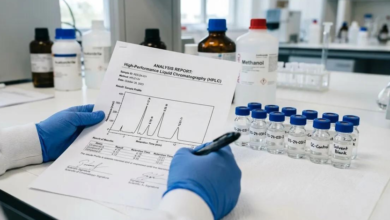
Pepin Manufacturing prioritizes sustainability as a fundamental aspect of its production practices. As an innovative transdermal patch manufacturer, the company emphasizes eco-conscious methods by sourcing sustainable materials and minimizing energy consumption throughout manufacturing workflows. Implementing waste reduction strategies is integral to the operational ethos, ensuring all production aspects align with a commitment to environmental stewardship. This approach not only meets the increasing consumer demand for sustainable products but also reaffirms the dedication to responsible practices.
Innovations in Transdermal Technology
The future of transdermal technology promises significant advancements in healthcare sustainability. Ongoing research into biodegradable materials and advanced drug delivery systems exemplifies the commitment to progressive development. Pepin Manufacturing stands at the forefront of these innovations, focusing on creating effective and sustainable solutions while prioritizing patient needs. The dedication to research and development highlights the pursuit of continuous improvement, solidifying the position as leaders in environmentally responsible healthcare innovation.
See also: How a Dietitian Can Help You Achieve Your Health Goals
The Significance of Transdermal Patches in Sustainable Healthcare
Transdermal patches represent more than just a convenient delivery method; they signify a substantial advancement in sustainable healthcare. By reducing waste, enhancing patient adherence, and utilizing environmentally friendly materials and manufacturing processes, these patches exemplify the synergy between innovation and environmental stewardship. As a leading manufacturer, Pepin Manufacturing takes pride in its role in the transformative evolution of patch production. The objective is to provide solutions that not only address therapeutic needs but also contribute to the overarching aim of sustainability.
Integrating transdermal patches into healthcare practices has the potential to foster a greener, healthier future, benefitting contemporary patients while safeguarding the environment for generations to come.