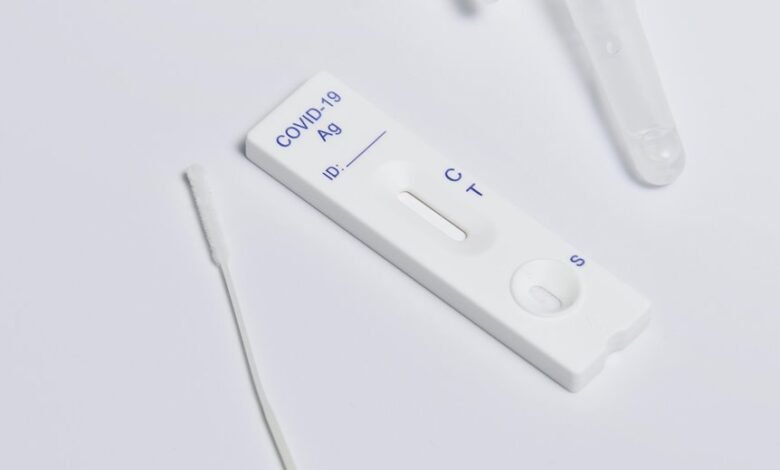
Testing for Homorzopia disease requires a systematic approach. Blood tests offer insights into biochemical markers associated with the condition. Additionally, genetic screening plays a crucial role in identifying hereditary factors. These assessments are vital for developing tailored treatment plans. Patients should also consider specialized clinics and verify insurance options. Understanding the testing process can significantly impact early diagnosis and management. What other factors should one consider in the quest for effective treatment?
Understanding Homorzopia Disease Symptoms
Homorzopia disease is characterized by a range of symptoms that can significantly impact an individual’s quality of life.
A symptom overview includes fatigue, joint pain, and cognitive difficulties, which may vary in severity.
Treatment options often involve medications, lifestyle adjustments, and supportive therapies aimed at alleviating symptoms and enhancing well-being.
Understanding these aspects is crucial for those seeking to manage the disease effectively.
Recommended Diagnostic Tests
Diagnosis of Homorzopia disease typically involves a series of recommended tests designed to confirm the condition and assess its severity.
These tests often include blood tests to evaluate biochemical markers associated with the disease and genetic screening to identify any hereditary factors.
Together, these diagnostic tools provide crucial insights, enabling healthcare professionals to develop effective treatment plans tailored to the individual’s needs.
The Importance of Early Detection
Why is early detection crucial in managing Homorzopia disease?
Identifying the condition promptly enables effective implementation of preventive measures, reducing the risk of complications.
Early diagnosis also empowers patients through education, fostering informed decision-making about their health.
Navigating Healthcare Resources for Testing
How can individuals effectively navigate the myriad of healthcare resources available for testing Homorzopia disease?
First, they should explore local clinics and specialized facilities that offer testing.
Understanding insurance coverage is crucial, as it can significantly impact healthcare access.
Individuals should verify their plans and inquire about covered services to ensure they receive the necessary support for accurate diagnosis and treatment.
Conclusion
In the journey to diagnose Homorzopia disease, early detection serves as a beacon of hope, illuminating the path toward effective management. By understanding symptoms and utilizing recommended diagnostic tests, patients can take proactive steps in their healthcare. Navigating the complexities of testing and insurance may feel daunting, but reaching out to specialized clinics can unlock the door to necessary resources. Ultimately, informed action can transform uncertainty into empowerment, guiding individuals toward a healthier future.