How to Create a Strong Apparel Brand Identity Through Product Selection and Customer Experience

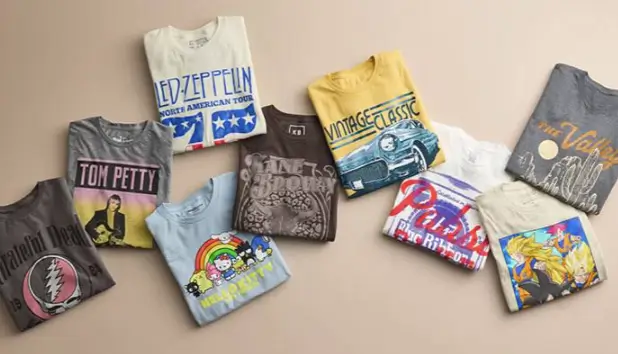
Building a recognizable apparel brand involves more than choosing attractive clothing designs. Customers remember brands that offer a consistent style, dependable product quality, and a shopping experience that meets their expectations. From the first product they discover to the moment they receive their order, every interaction can influence how they view a clothing business.
For new and established apparel retailers, creating a strong brand identity requires thoughtful decisions about product selection, presentation, customer service, and marketing. A clear strategy helps businesses stand out in a competitive fashion market while building long-term customer relationships.
Understanding What Makes an Apparel Brand Recognizable
A brand identity is the overall impression customers develop about a business. It includes visual elements such as logos, colors, and packaging, but it also extends to product quality, communication, and the type of clothing a brand offers.
Some clothing businesses focus on minimal everyday essentials, while others build their identity around streetwear, athletic apparel, or contemporary casual fashion. Choosing a clear direction helps customers understand what makes a brand different.
Before developing a collection, businesses should consider three important questions:
- Who is the intended customer?
- What type of clothing does the brand want to be known for?
- What makes its products and shopping experience distinctive?
The answers can guide decisions about product categories, pricing, photography, and marketing messages.
Selecting Products That Match Your Brand Direction
Product selection is one of the most important parts of building an apparel business. A collection should reflect the brand’s intended identity rather than simply include every popular clothing category.
For example, a casualwear brand might focus on T-shirts, hoodies, sweatshirts, and comfortable trousers. A business targeting active customers may prioritize performance-inspired clothing and practical everyday designs.
Retailers should also consider how different products work together. A coordinated collection makes it easier for customers to create complete outfits and encourages them to explore more than one category.
When comparing apparel suppliers, businesses can research options such as port and company wholesale to understand available clothing styles and product categories. Reviewing fabric details, sizing, colors, and construction can help determine whether particular products suit the brand’s direction.
Developing a Consistent Visual Style
Visual consistency makes a clothing brand easier to recognize. Customers should be able to identify a business through its product photographs, website design, social media content, and promotional materials.
A consistent visual identity does not mean every image or product must look identical. Instead, the business should maintain a recognizable approach to colors, photography, typography, and presentation.
For example, a brand built around relaxed streetwear might use natural lighting, urban backgrounds, and simple outfit combinations in its product photography. A business focused on professional casualwear may prefer cleaner backgrounds and more structured styling.
A few practical ways to maintain consistency include:
- Use a defined color palette across marketing channels.
- Choose photography styles that reflect the brand’s personality.
- Maintain consistent product image dimensions and presentation.
- Use clear and recognizable typography.
- Keep website banners and promotional graphics aligned with the overall design.
These details help create a more professional appearance and make the shopping experience feel connected.
Understanding the Role of Streetwear in Brand Development
Streetwear offers apparel businesses opportunities to build a recognizable identity through comfortable silhouettes, distinctive designs, and everyday styling.
Hoodies, oversized shirts, relaxed trousers, and graphic garments are commonly associated with streetwear-inspired collections. However, simply selling these products does not automatically create a strong brand.
Businesses need to consider how their products, photography, and messaging work together. A recognizable collection should have a consistent style while still offering enough variety to appeal to different customers.
Retailers researching streetwear-focused product options may explore shaka wear wholesale as part of their supplier comparisons. Examining available styles and product specifications can help businesses assess whether particular garments align with their target market.
The key is to select products based on the brand’s actual needs rather than following trends without a clear plan.
Creating Product Descriptions That Build Customer Confidence
Online shoppers cannot physically touch or try on garments before purchasing. This makes product descriptions especially important.
A useful product description should provide clear information about the garment and help customers understand whether it meets their requirements.
Important details may include:
- Fabric composition.
- Available sizes and colors.
- Fit and overall design.
- Garment features.
- Care instructions.
- Product measurements, where available.
Descriptions should be informative without becoming unnecessarily complicated. Customers generally want to find relevant information quickly.
Businesses should also ensure that product descriptions match the actual items being sold. Accurate information supports customer confidence and helps reduce misunderstandings.
Improving the Online Shopping Experience
A professional website should make it easy for visitors to discover products, compare options, and complete purchases.
Navigation plays an important role. Clothing categories should be organized logically so shoppers can find relevant items without searching through unrelated products.
Useful website features include:
- Clear category menus.
- Search and filtering options.
- High-quality product photographs.
- Easy-to-understand size information.
- Visible shipping and return policies.
- A straightforward checkout process.
Mobile usability deserves particular attention because many customers browse clothing websites through smartphones. Pages should load efficiently, product images should display clearly, and important information should remain easy to access.
A smooth shopping experience can make customers more comfortable when purchasing from an unfamiliar brand.
See also: What to Know About Hizzaboloufazic
Using Customer Feedback to Improve the Collection
Customer feedback can provide valuable information about what a clothing business is doing well and where improvements are needed.
Reviews, product questions, return reasons, and social media comments can reveal common preferences. For example, customers may repeatedly request additional sizes, different colors, or more detailed garment measurements.
Businesses can use this information to make practical decisions about future collections.
Rather than introducing new products based only on personal assumptions, retailers should look for patterns in customer responses. This helps them understand which features matter most to their audience.
Responding professionally to questions and concerns is equally important. Helpful communication shows customers that the business takes their experience seriously.
Building Customer Loyalty Through Reliable Service
A successful apparel brand should aim to create relationships that continue beyond a single purchase. Customers who have a positive experience may return when they need additional clothing or recommend the business to others.
Reliable service starts with accurate product information and clear communication. Businesses should provide realistic delivery expectations, explain return procedures, and respond to customer inquiries promptly.
Packaging also contributes to the overall experience. Clean, organized packaging can make an order feel more professional, even when the products themselves are simple everyday essentials.
After-sales support should remain consistent with the promises made before purchase. A brand that handles problems responsibly has a better opportunity to maintain customer trust.
Promoting an Apparel Brand Across Digital Channels
Digital marketing helps clothing businesses introduce their products to new audiences and maintain communication with existing customers.
Different channels serve different purposes. Social media can highlight new collections and styling ideas, while email marketing can share product updates and promotional information. Search engine optimization helps customers discover relevant products and educational content through search engines.
A practical content strategy may include:
- Styling guides: Show customers how to combine products into different outfits.
- Product features: Explain garment details and available options.
- Behind-the-scenes content: Introduce the people and processes behind the business.
- Seasonal collections: Highlight products that suit changing customer needs.
- Customer-focused content: Answer common questions about sizing, fit, and clothing care.
Consistent, useful content can help establish a recognizable brand voice without relying entirely on promotional messages.
Conclusion
Creating a strong apparel brand identity requires a combination of thoughtful product selection, consistent visual presentation, useful website content, and reliable customer service. Every part of the business contributes to the impression customers develop.
By understanding their target audience, choosing suitable clothing collections, improving online shopping experiences, and responding to customer feedback, apparel businesses can build a more recognizable and dependable brand.
The strongest clothing brands are not defined by products alone. They create a consistent experience that gives customers a reason to return.